The Book
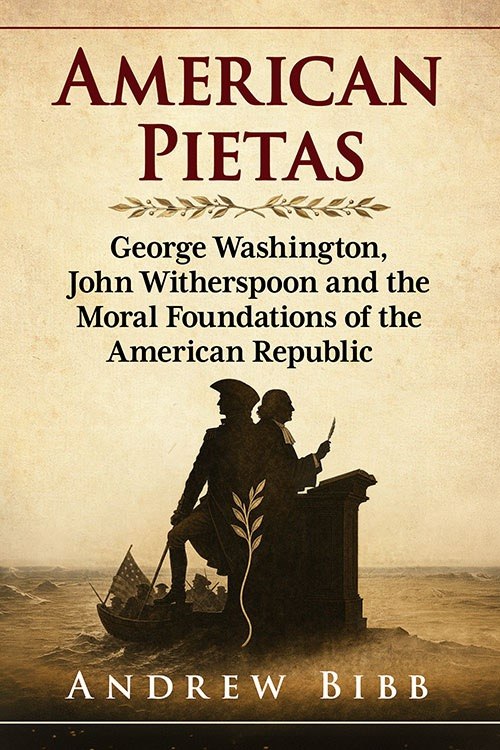
This book examines liberty, the duty to defend it, and the strategy for securing both at the birth of the nation. It does so through a dual biography of George Washington and John Witherspoon — complementary figures in the fight for American liberty: Washington as the man of action, Witherspoon as the man of ideas. Together they show how liberty was philosophically conceived and practically defended.
Where most founding histories emphasize rights alone, this book recovers pietas — the disciplined fusion of moral duty and contented resignation to Providence into a master virtue. Washington and Witherspoon understood that synthesis not as a constraint on liberty but as its necessary condition.
The concern is less what we learn about these men than what we learn from them. Drawing on primary sources, the narrative bridges military and intellectual history, tracing strategic thought about liberty from battlefield command to philosophical discourse.
Read Inside
“My hope is that the reader comes away from this book with a renewed commitment to the preservation and defense of American freedom. Whether by serving in the military, electing prudent policymakers, or fostering a sense of duty in one’s family and community, every American has a moral obligation to safeguard liberty for future generations. It is in embracing the duty to defend liberty that we perfect the right to it, and it is in thinking strategically about freedom that we preserve it.”
“Freedom has been considered by Americans throughout history to be the highest end and greatest good that any political society can achieve. At bottom, freedom is the capacity to realize one’s full potential and become everything he or she was created to be. … But freedom is also rare and fragile. … In the case of the right to freedom, there is a duty to defend it — a moral imperative such that no free citizen who enjoys the blessings of liberty should hesitate to defend it and support policies that preserve it.”
Contents
- PrefaceTo Support and Defend
- Ch. 1George Washington’s Colonial Heritage
- Ch. 2Transformation and Union
- Ch. 3John Witherspoon’s Enlightened Piety
- Ch. 4Educating for Liberty
- Ch. 5Liberty Threatened
- Ch. 6Continental Congresses
- Ch. 7Conquer or Die
- Ch. 8Times that Try Men’s Souls
- Ch. 9That Great Line of Duty
- Ch. 10The Nature of Duty
- Ch. 11Duties Fulfilled
- ConclusionPietas and the American Future
Pre-Order
American Pietas is available for pre-order from McFarland. $49.95. Copyright 2026.
Pre-Order from McFarland